
Ask someone what the Great Southern tastes like and you might get a few predictable answers: wine, obviously. Maybe fresh seafood. Maybe a good country meal.
But spend a little time here and you start to realise the Great Southern has a flavour of its own.
It tastes like cool mornings, salty air, wet earth and long days on the farm. It tastes like forests, wild weather, fresh produce and the kind of changing seasons that keep you guessing.
And, if you’re growing grapes here, all of that finds its way into the bottle.
It starts with the weather
The Great Southern isn’t the sort of place where you can simply set the thermostat and let the vines get on with it.
The weather changes. A lot.
Cool temperatures, rainfall, coastal influences, sunshine wind and long, slow ripening seasons all play their part. For grape growers, that means paying attention. Really paying attention.
The vines don’t get to rush.
And that’s one of the things that makes wines from this part of Western Australia so distinctive.
A cooler growing climate allows grapes to develop flavour gradually, while retaining the natural acidity that gives wine freshness and energy. The result can be wines that are vibrant, aromatic and structed without needing to be heavy or overly ripe.
At Yilgarnia, we’re lucky enough to see this happen right outside the cellar door - well, if we had a cellar door.
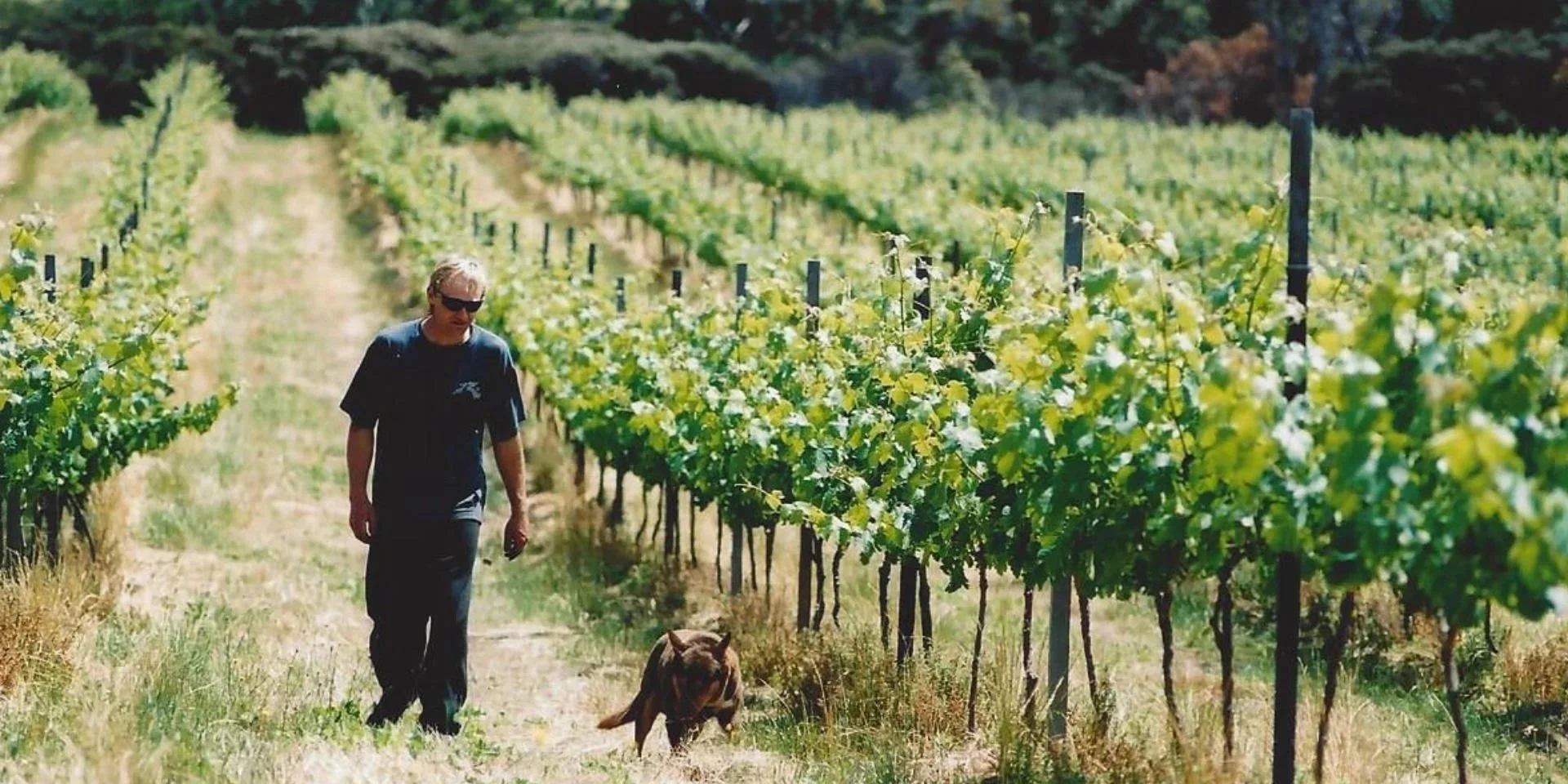
Our grapes come from our single vineyard about half an hours drive from Barrel Farm, off the Hay River near Denmark, where the climate and the land give us the raw ingredients to make wines with a strong sense of place.
You can taste the coast
Denmark isn’t far from the Southern Ocean, and you don’t have to spend much time here to notice its influence.
There is something distinctly coastal about the landscape. The air is cool. The weather can roll through quickly. The surroundings forests and farmland create a landscape that feels green, wild and a little bit untamed.
It’s a very different environment from the hot, dry wine-growing regions many people associate with Australia.
And that difference matters.
Rather than pushing grapes towards maximum ripeness the conditions here encourage a slower journey. The grapes have time to develop flavour while maintaining freshness.
It’s one reason cool-climate wines can have such a lovely balance between fruit, acidity and texture.
Then there’s the rain
Rain isn’t always a winemaker’s favourite word.
But around here, it’s part of the story.
The Great Southern is one of the wetter regions in Western Australia, and the vineyard has to work with what the season brings.
Some years are kind. Some aren’t
There are seasons when everything seems to line up perfectly, and others when you’re watching the forecast, checking the vines and wondering what the weather is going to throw at you next.
That’s farming.
And ultimately, that’s wine too.
Every vintage carries a little bit of the year it came from. The conditions during the growing season influence how the grapes develop and , eventually, how the finished wine tastes.
So when you open a bottle of Yilgarnia, you’re not just opening a bottle of wine.
You’re opening a little piece of particular year in Denmark.
It tastes like the farm
There’s another ingredient in Great Southern wine that doesn’t show up on a technical data sheet.
The land itself.
Yilgarnia is family-owned, single-vineyard winery, and the vineyard sits within a working farming landscape.
That means the vineyard isn’t an isolated patch of vines surrounded by concrete and stainless steel. It’s part of a bigger place - one that changes throughout the year.
There are sheep, paddocks, trees, weather, wildlife, mud, dust, machinery and all the other things that come with farming.
The vines are simply one part of it.
And perhaps that’s why we think wine tastes better when you know where it comes from.
So, what does the Great Southern taste like?
It tastes fresh.
It tastes cool.
It tastes a little wild.
It tastes like rain on the ground, sea air coming in from the south, forests after a wet winter and grapes taking their time to ripen.
It tastes like farming, family and a few unpredictable weather forecasts thrown into the mix.
Most importantly, it tastes like somewhere.
And that’s what we’re trying to put in every bottle of Yilgarnia - not just a particular grape variety or a particular winemaking style, but a little bit of Denmark, Great Southern
Because wine doesn’t just come from grapes.
It comes from a place.
